To The Next Level

To The Next Level

AI Took My Job

AI Took
My Job

Designed by me
built with AI :)

Designed by me, built with AI :)

TEXTExplained Content
### MAIN IDEA npm is changing its default behavior so newly installed packages cannot automatically run scripts or fetch code from external sources without permission. ### EXPLAIN IT SIMPLY Installing a package used to be a little like bringing a new device into your home and allowing it to start working immediately, before checking what it does. With the new system, the package must wait at the door. A developer or security team must approve the actions it wants to perform before it can continue. ### WHY IT MATTERS Malicious packages have used automatic install scripts to steal credentials, compromise development environments, and spread through software projects. Making these actions opt-in removes one of the easiest ways for harmful code to run unnoticed. ### WHAT IT DOES NOT SOLVE A package that has already been approved can still become malicious later. Dangerous code can also execute when the application imports or uses the package, rather than during installation. ### VISUAL METAPHORS 1. A package waiting at an approval gate before entering a software pipeline. 2. A security checkpoint inspecting packages before allowing them to continue. 3. A mechanical switch changing package installation from automatic to permission-based.
textSOURCE ARTICLE
What npm’s New Install Defaults Mean for Software Supply Chains npm is preparing one of the most significant security changes in its history. Starting with npm v12, newly installed packages will no longer be allowed to automatically run lifecycle scripts, fetch Git dependencies, or download packages from remote URLs unless those actions have been explicitly approved. Until now, commands such as preinstall, install, and postinstall could run automatically when a package was added to a project. This behavior made it possible for legitimate packages to compile native modules and prepare required files, but it also meant that installing a dependency could execute code on a developer’s machine or inside a CI/CD pipeline. Attackers have repeatedly taken advantage of this behavior. A compromised maintainer account, malicious dependency, or poisoned package update could run code as soon as the package was installed, sometimes before the developer had reviewed or directly interacted with it. Under the new defaults, teams will need to create an allowlist for packages that genuinely require install scripts. Git-based dependencies and packages downloaded from external URLs will also require explicit permission. The transition is expected to happen in two stages. Current versions of npm can warn teams about dependencies that will be affected, giving developers time to review their projects before the new restrictions become mandatory. These changes significantly reduce the risk of install-time attacks, but they do not eliminate software supply-chain threats. Approved packages can still become compromised, malicious code can still execute when an application imports a dependency, and attackers can still target maintainer accounts or publishing pipelines. Teams should use the transition period to audit install scripts, review Git and remote dependencies, remove unnecessary long-lived publishing credentials, and monitor what packages do after installation. The new defaults create a safer baseline. The remaining challenge is deciding which packages should be trusted and continuously verifying that they continue to behave as expected.
textBRAND ILLUSTRATION GUIDE
Create a clean, modern editorial illustration for a B2B technology brand. Use bold outlines, rounded geometric forms, simplified mechanical objects, and one clearly defined central metaphor. The composition should communicate a complex technical idea without relying on detailed dashboards or literal software interfaces. Use a light background with purple, pink, mint, blue, and warm neutral accents. Keep the image polished, optimistic, and easy to understand at a glance. Use subtle depth, soft shadows, and small decorative details, but avoid making the composition feel busy. Avoid generic cybersecurity imagery such as glowing shields, hooded hackers, code rain, neon interfaces, locks floating in space, or overly futuristic environments. The result should feel like part of a consistent brand illustration system rather than a standalone AI-generated image.
videoSeedance 2.0
imageNANO BANANA
image
textVISUAL PROMPT BUILDER
Create one clear editorial illustration concept based on the article’s main idea and the brand illustration system. Goal: Translate the security change into a simple visual metaphor that a non-technical audience can understand quickly. Use these inputs: 1. The source article 2. The simplified explanation 3. The brand illustration guide What the illustration should communicate: npm is moving from automatic trust to explicit approval. Newly installed packages should no longer run code or fetch external dependencies without permission. Creative direction: Show a software package being stopped, checked, or approved before entering a system. Visual metaphor options: - an approval gate - a security checkpoint - a controlled access mechanism - a package waiting for permission before moving forward Output requirements: - one central object or scene - clean editorial composition - minimal clutter - bold outlines and rounded geometric forms - polished B2B technology aesthetic - visually clear at a glance - consistent with the brand illustration guide Avoid: - literal dashboards - code snippets - generic hacker imagery - overly futuristic cyber visuals - too many small details
imageLogo
Logo
textSOURCE ARTICLE
What npm’s New Install Defaults Mean for Software Supply Chains npm is preparing one of the most significant security changes in its history. Starting with npm v12, newly installed packages will no longer be allowed to automatically run lifecycle scripts, fetch Git dependencies, or download packages from remote URLs unless those actions have been explicitly approved. Until now, commands such as preinstall, install, and postinstall could run automatically when a package was added to a project. This behavior made it possible for legitimate packages to compile native modules and prepare required files, but it also meant that installing a dependency could execute code on a developer’s machine or inside a CI/CD pipeline. Attackers have repeatedly taken advantage of this behavior. A compromised maintainer account, malicious dependency, or poisoned package update could run code as soon as the package was installed, sometimes before the developer had reviewed or directly interacted with it. Under the new defaults, teams will need to create an allowlist for packages that genuinely require install scripts. Git-based dependencies and packages downloaded from external URLs will also require explicit permission. The transition is expected to happen in two stages. Current versions of npm can warn teams about dependencies that will be affected, giving developers time to review their projects before the new restrictions become mandatory. These changes significantly reduce the risk of install-time attacks, but they do not eliminate software supply-chain threats. Approved packages can still become compromised, malicious code can still execute when an application imports a dependency, and attackers can still target maintainer accounts or publishing pipelines. Teams should use the transition period to audit install scripts, review Git and remote dependencies, remove unnecessary long-lived publishing credentials, and monitor what packages do after installation. The new defaults create a safer baseline. The remaining challenge is deciding which packages should be trusted and continuously verifying that they continue to behave as expected.
textVISUAL PROMPT BUILDER
Create one clear editorial illustration concept based on the article’s main idea and the brand illustration system. Goal: Translate the security change into a simple visual metaphor that a non-technical audience can understand quickly. Use these inputs: 1. The source article 2. The simplified explanation 3. The brand illustration guide What the illustration should communicate: npm is moving from automatic trust to explicit approval. Newly installed packages should no longer run code or fetch external dependencies without permission. Creative direction: Show a software package being stopped, checked, or approved before entering a system. Visual metaphor options: - an approval gate - a security checkpoint - a controlled access mechanism - a package waiting for permission before moving forward Output requirements: - one central object or scene - clean editorial composition - minimal clutter - bold outlines and rounded geometric forms - polished B2B technology aesthetic - visually clear at a glance - consistent with the brand illustration guide Avoid: - literal dashboards - code snippets - generic hacker imagery - overly futuristic cyber visuals - too many small details
videoSeedance 2.0
imageNANO BANANA
image
TEXTExplained Content
### MAIN IDEA npm is changing its default behavior so newly installed packages cannot automatically run scripts or fetch code from external sources without permission. ### EXPLAIN IT SIMPLY Installing a package used to be a little like bringing a new device into your home and allowing it to start working immediately, before checking what it does. With the new system, the package must wait at the door. A developer or security team must approve the actions it wants to perform before it can continue. ### WHY IT MATTERS Malicious packages have used automatic install scripts to steal credentials, compromise development environments, and spread through software projects. Making these actions opt-in removes one of the easiest ways for harmful code to run unnoticed. ### WHAT IT DOES NOT SOLVE A package that has already been approved can still become malicious later. Dangerous code can also execute when the application imports or uses the package, rather than during installation. ### VISUAL METAPHORS 1. A package waiting at an approval gate before entering a software pipeline. 2. A security checkpoint inspecting packages before allowing them to continue. 3. A mechanical switch changing package installation from automatic to permission-based.
textSOURCE ARTICLE
What npm’s New Install Defaults Mean for Software Supply Chains npm is preparing one of the most significant security changes in its history. Starting with npm v12, newly installed packages will no longer be allowed to automatically run lifecycle scripts, fetch Git dependencies, or download packages from remote URLs unless those actions have been explicitly approved. Until now, commands such as preinstall, install, and postinstall could run automatically when a package was added to a project. This behavior made it possible for legitimate packages to compile native modules and prepare required files, but it also meant that installing a dependency could execute code on a developer’s machine or inside a CI/CD pipeline. Attackers have repeatedly taken advantage of this behavior. A compromised maintainer account, malicious dependency, or poisoned package update could run code as soon as the package was installed, sometimes before the developer had reviewed or directly interacted with it. Under the new defaults, teams will need to create an allowlist for packages that genuinely require install scripts. Git-based dependencies and packages downloaded from external URLs will also require explicit permission. The transition is expected to happen in two stages. Current versions of npm can warn teams about dependencies that will be affected, giving developers time to review their projects before the new restrictions become mandatory. These changes significantly reduce the risk of install-time attacks, but they do not eliminate software supply-chain threats. Approved packages can still become compromised, malicious code can still execute when an application imports a dependency, and attackers can still target maintainer accounts or publishing pipelines. Teams should use the transition period to audit install scripts, review Git and remote dependencies, remove unnecessary long-lived publishing credentials, and monitor what packages do after installation. The new defaults create a safer baseline. The remaining challenge is deciding which packages should be trusted and continuously verifying that they continue to behave as expected.
textBRAND ILLUSTRATION GUIDE
Create a clean, modern editorial illustration for a B2B technology brand. Use bold outlines, rounded geometric forms, simplified mechanical objects, and one clearly defined central metaphor. The composition should communicate a complex technical idea without relying on detailed dashboards or literal software interfaces. Use a light background with purple, pink, mint, blue, and warm neutral accents. Keep the image polished, optimistic, and easy to understand at a glance. Use subtle depth, soft shadows, and small decorative details, but avoid making the composition feel busy. Avoid generic cybersecurity imagery such as glowing shields, hooded hackers, code rain, neon interfaces, locks floating in space, or overly futuristic environments. The result should feel like part of a consistent brand illustration system rather than a standalone AI-generated image.
videoSeedance 2.0
imageNANO BANANA
image
textVISUAL PROMPT BUILDER
Create one clear editorial illustration concept based on the article’s main idea and the brand illustration system. Goal: Translate the security change into a simple visual metaphor that a non-technical audience can understand quickly. Use these inputs: 1. The source article 2. The simplified explanation 3. The brand illustration guide What the illustration should communicate: npm is moving from automatic trust to explicit approval. Newly installed packages should no longer run code or fetch external dependencies without permission. Creative direction: Show a software package being stopped, checked, or approved before entering a system. Visual metaphor options: - an approval gate - a security checkpoint - a controlled access mechanism - a package waiting for permission before moving forward Output requirements: - one central object or scene - clean editorial composition - minimal clutter - bold outlines and rounded geometric forms - polished B2B technology aesthetic - visually clear at a glance - consistent with the brand illustration guide Avoid: - literal dashboards - code snippets - generic hacker imagery - overly futuristic cyber visuals - too many small details
imageLogo
Logo

Selected Work

I Turn Complex Products Into

Brands People Love

Selected projects across brand identity, illustration, web, campaigns, & creative systems.

I absolutely 💙 bringing brands to life through design.

I absolutely
💙 bringing brands to life with design.

I design brands, build systems, and teach AI some taste​​​​​​​

I’m a Brand & Marketing Designer with ~11 years of experience turning complex products into clear visual stories across brand, web, campaigns, illustration, and motion.

Lately, I’ve been building scalable design systems and AI-powered workflows that help teams move faster without lowering the creative bar.

I design brands, build systems, and teach AI some taste​​​​​​​

I’m a Brand & Marketing Designer with ~11 years of experience turning complex products into clear visual stories across brand, web, campaigns, illustration, and motion.

Lately, I’ve been building scalable design systems and AI-powered workflows that help teams move faster without lowering the creative bar.

I design brands, build systems, and teach AI some taste​​​​​​​

I’m a Brand & Marketing Designer with ~11 years of experience turning complex products into clear visual stories across brand, web, campaigns, illustration, and motion.

Lately, I’ve been building scalable design systems and AI-powered workflows that help teams move faster without lowering the creative bar.

HTML
Motion Design
CSS
UI/UX
Illustration
Content Design
🪴
Video Editing
Presentations
AI Workflows
🏀
Generative AI
WebGL
Unicorn Studio
🐶
Print
Office Barista
Branding
Brand Strategy
Design Systems
⛸️
Art Direction
Web Design
Dad Jokes
HTML
Motion Design
CSS
UI/UX
Illustration
Content Design
🪴
Video Editing
Presentations
AI Workflows
🏀
Generative AI
WebGL
Unicorn Studio
🐶
Print
Office Barista
Branding
Brand Strategy
Design Systems
⛸️
Art Direction
Web Design
Dad Jokes

My Toolkit

I’m a FOMO-driven learner. If a new tool can help me design better, build faster, or avoid being blocked by a missing skill, I’ll probably learn it.

The point isn’t collecting software.
It’s knowing when and which tool can make your work better or faster.

  • Customers who loved this designer

  • Rarely returned

  • Only one left in stock

  • Testimonials

  • Reviews

  • Testimonials

"I had the pleasure of working with Idan at Equitybee, where he was a key player in our visual rebranding project. His ability to transform complex ideas into impactful designs was crucial to our success. The end result was a refreshed brand identity that significantly enhanced our market presence. Idan's creativity, attention to detail, and illustration skills made him an invaluable asset to our team."

Red Woman

Eldad Tzadok

Product Design Lead at Fiverr
"I had the pleasure of working with Idan at Equitybee, where he was a key player in our visual rebranding project. His ability to transform complex ideas into impactful designs was crucial to our success. The end result was a refreshed brand identity that significantly enhanced our market presence. Idan's creativity, attention to detail, and illustration skills made him an invaluable asset to our team."

Red Woman

Eldad Tzadok

Product Design Lead at Fiverr

"Working with Idan at Anyword was a genuine pleasure. As lead designer, he owned our full website redesign, the Webflow migration, and the build of our design system, and he nailed all three. He's the rare designer who pairs sharp craft with deep technical fluency, always bringing the right innovation to the table to push performance, workflow, and capability forward. A true professional."
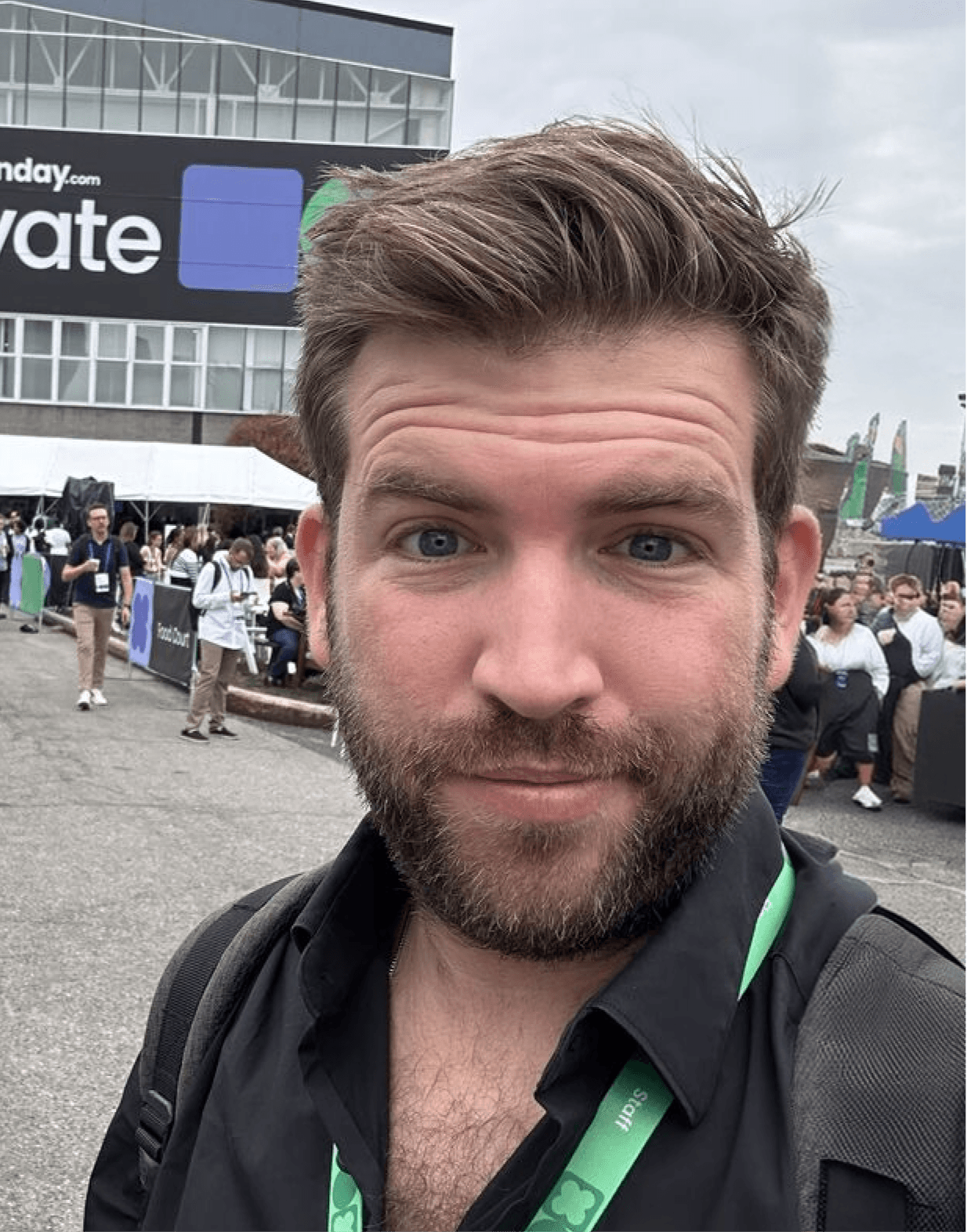
Man B&W

Idan Lasser

Product Marketing Manager

"Working with Idan at Anyword was a genuine pleasure. As lead designer, he owned our full website redesign, the Webflow migration, and the build of our design system, and he nailed all three. He's the rare designer who pairs sharp craft with deep technical fluency, always bringing the right innovation to the table to push performance, workflow, and capability forward. A true professional."

Man B&W

Idan Lasser

Product Marketing Manager

"Working alongside Idan as part of a team was a great experience. He is extremely talented, creative, and professional, and I learned a lot from working with him. Idan is dedicated to his work, consistently finds smart and effective solutions, and is always willing to learn new things when needed. Working with him was both enjoyable and inspiring."
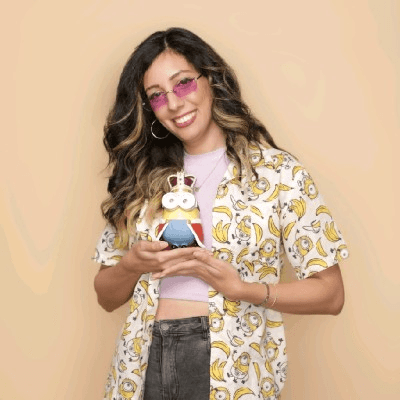
Black Man

Shahar Farage

Marketing Designer

"Working alongside Idan as part of a team was a great experience. He is extremely talented, creative, and professional, and I learned a lot from working with him. Idan is dedicated to his work, consistently finds smart and effective solutions, and is always willing to learn new things when needed. Working with him was both enjoyable and inspiring."

Black Man

Shahar Farage

Marketing Designer

"Collaborating with Idan on the Marketing team at Equitybee was great. His talent as a brand marketing designer is matched by his dedication to continuous learning and growth. Beyond his creative and technical skills, Idan’s approachable nature, curiosity and sense of humor made our interactions both productive and fun. I appreciate his fresh perspectives and the ease with which we worked together. Any team would be lucky to have someone as talented and personable as Idan."

Black Man

Inbar Fischer

Marketing | Automation

"Collaborating with Idan on the Marketing team at Equitybee was great. His talent as a brand marketing designer is matched by his dedication to continuous learning and growth. Beyond his creative and technical skills, Idan’s approachable nature, curiosity and sense of humor made our interactions both productive and fun. I appreciate his fresh perspectives and the ease with which we worked together. Any team would be lucky to have someone as talented and personable as Idan."

Black Man

Inbar Fischer

Marketing | Automation

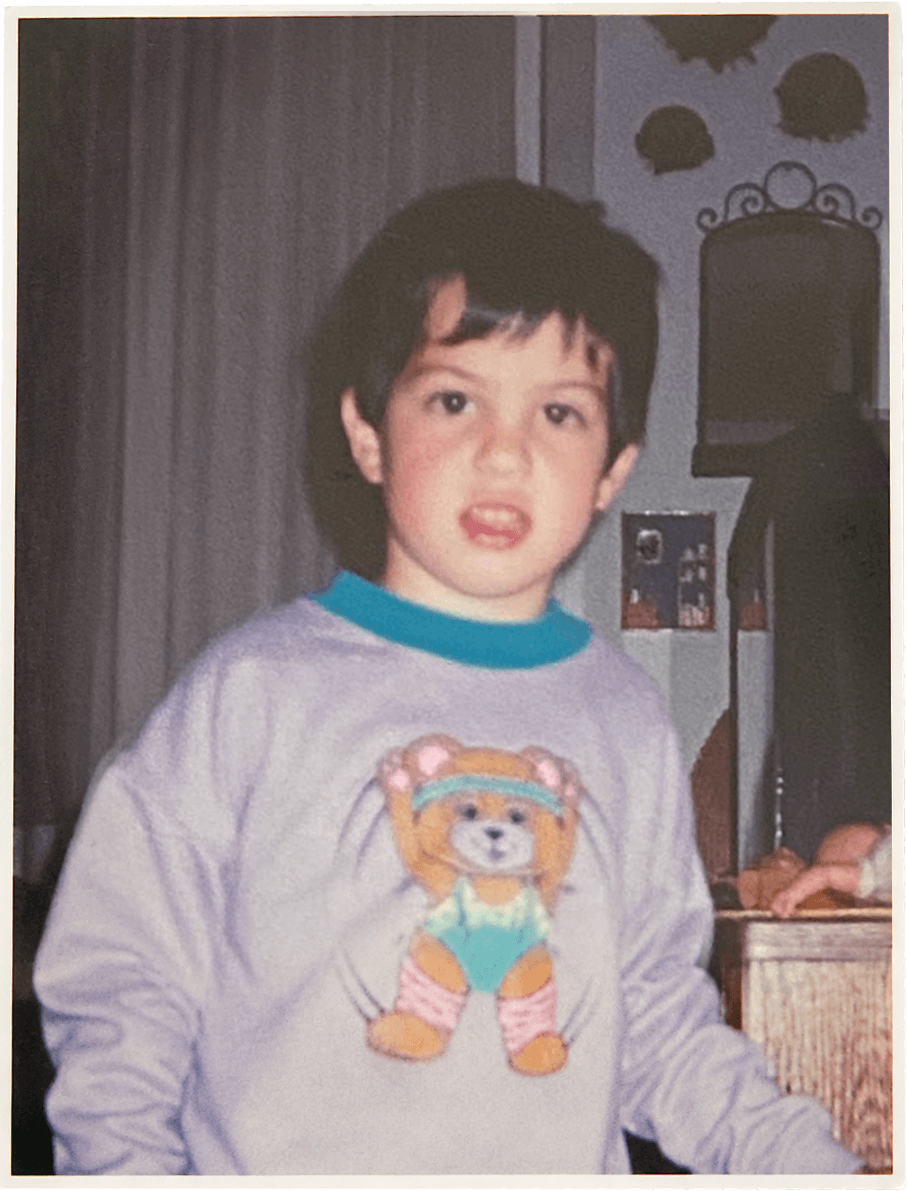
"Hi sweetie, here’s my review. I’m writing this in the right place, right?... Idan has always been a very talented boy. Since he was little he was drawing on everything... walls, notebooks, sometimes even things that were not supposed to be drawn on. Idan don’t forget to return the glass dish I sent you home with the chicken. Love mom ❤️"

Woman Laughing

Mom

Head of Worrying

"Hi sweetie, here’s my review. I’m writing this in the right place, right?... Idan has always been a very talented boy. Since he was little he was drawing on everything... walls, notebooks, sometimes even things that were not supposed to be drawn on. Idan don’t forget to return the glass dish I sent you home with the chicken. Love mom ❤️"

Woman Laughing

Mom

Head of Worrying

Illustration

W

e

b

D

e

s

i

g

n

W

e

b

D

e

s

i

g

n

Illustration

W

e

b

D

e

s

i

g

n

Work experience

Brand & Marketing Design Lead

Legit Security

2025 - Now

Brand & Marketing Design Lead

Legit Security

2025 - Now

Brand & Marketing Design Lead

Legit Security

2025 - Now

Senior Marketing Designer

Anyword

2024 - 2025

Senior Marketing Designer

Anyword

2024 - 2025

Senior Marketing Designer

Anyword

2024 - 2025

Brand & Marketing Design Lead

Equitybee

2022 - 2024

Brand & Marketing Design Lead

Equitybee

2022 - 2024

Brand & Marketing Design Lead

Equitybee

2022 - 2024

Brand Designer & Illustrator

Michal Suday's Studio

2021 - 2022

Brand Designer & Illustrator

Michal Suday's Studio

2021 - 2022

Brand Designer & Illustrator

Michal Suday's Studio

2021 - 2022

Brand & Marketing Designer

Firma Brandhouse

2019 - 2021

Brand & Marketing Designer

Firma Brandhouse

2019 - 2021

Brand & Marketing Designer

Firma Brandhouse

2019 - 2021

Digital Marketing Designer

Glikman Shamir Samsonov

2015 - 2019

Digital Marketing Designer

Glikman Shamir Samsonov

2015 - 2019

Digital Marketing Designer

Glikman Shamir Samsonov

2015 - 2019

Don't be shy.

Just ask my AI.

Download CV

What makes you different from other designers?

I work across the full brand pipeline, from visual direction and design systems to responsive websites, campaigns, presentations, and final production details. I combine hands-on craft with systems thinking and enough technical curiosity to carry ideas further without losing consistency along the way.

How do you use AI without compromising quality?

I’m strategically lazy about repetitive work. I build AI-powered workflows and self-service Figma systems that turn recurring requests into reusable processes, then review and refine the output by hand. AI handles speed and repetition. I keep responsibility for the idea, judgment, and final quality.

What do you do when there's no brief?

If there’s no brief, I write one. I start with the audience, context, objective, and action we want target audience to take. That gives me a filter for what belongs, what is noise, and which design decisions actually matter.

What type of companies do you work best with?

I work best with growing tech companies whose product has matured faster than their brand. I like environments where design has real influence and I can work closely with marketing, product, and leadership to build what comes next.

How do you prioritize when everything is urgent?

I separate hard deadlines and external dependencies from internal pressure, then look at business impact and effort. In a startup, prioritization is rarely a private design decision. It’s a clear negotiation with the people who depend on the work.

How do you handle growth tests that stretch the design?

Growth needs experimentation. Brand needs consistency. My job is to make sure one doesn't quietly kill the other. In practice, that means building systems loose enough to bend without breaking. When a growth team wants to test a landing page that feels off-brand, my first question is "what are we actually trying to learn?" Sometimes the answer changes the brief entirely. Sometimes it just means we run the test with guardrails.

What's a mistake that actually changed how you work?

Early in my career, a letter disappeared from a logo and made it into print. I initially assumed it was a production error. It wasn’t. The real lesson was that repetition creates blindness, so high-stakes files now get a fresh pair of eyes before release. Quality control is a process, not a personality trait.

Don't be shy.

Ask my AI.

What makes you different from other designers?

I work across the full brand pipeline, from visual direction and design systems to responsive websites, campaigns, presentations, and final production details. I combine hands-on craft with systems thinking and enough technical curiosity to carry ideas further without losing consistency along the way.

How do you use AI without compromising quality?

I’m strategically lazy about repetitive work. I build AI-powered workflows and self-service Figma systems that turn recurring requests into reusable processes, then review and refine the output by hand. AI handles speed and repetition. I keep responsibility for the idea, judgment, and final quality.

What do you do when there's no brief?

If there’s no brief, I write one. I start with the audience, context, objective, and action we want target audience to take. That gives me a filter for what belongs, what is noise, and which design decisions actually matter.

What type of companies do you work best with?

I work best with growing tech companies whose product has matured faster than their brand. I like environments where design has real influence and I can work closely with marketing, product, and leadership to build what comes next.

How do you prioritize when everything is urgent?

I separate hard deadlines and external dependencies from internal pressure, then look at business impact and effort. In a startup, prioritization is rarely a private design decision. It’s a clear negotiation with the people who depend on the work.

How do you handle growth tests that stretch the design?

Growth needs experimentation. Brand needs consistency. My job is to make sure one doesn't quietly kill the other. In practice, that means building systems loose enough to bend without breaking. When a growth team wants to test a landing page that feels off-brand, my first question is "what are we actually trying to learn?" Sometimes the answer changes the brief entirely. Sometimes it just means we run the test with guardrails.

What's a mistake that actually changed how you work?

Early in my career, a letter disappeared from a logo and made it into print. I initially assumed it was a production error. It wasn’t. The real lesson was that repetition creates blindness, so high-stakes files now get a fresh pair of eyes before release. Quality control is a process, not a personality trait.

Don't be shy.

Just ask my AI.

Download CV

What makes you different from other designers?

I work across the full brand pipeline, from visual direction and design systems to responsive websites, campaigns, presentations, and final production details. I combine hands-on craft with systems thinking and enough technical curiosity to carry ideas further without losing consistency along the way.

How do you use AI without compromising quality?

I’m strategically lazy about repetitive work. I build AI-powered workflows and self-service Figma systems that turn recurring requests into reusable processes, then review and refine the output by hand. AI handles speed and repetition. I keep responsibility for the idea, judgment, and final quality.

What do you do when there's no brief?

If there’s no brief, I write one. I start with the audience, context, objective, and action we want target audience to take. That gives me a filter for what belongs, what is noise, and which design decisions actually matter.

What type of companies do you work best with?

I work best with growing tech companies whose product has matured faster than their brand. I like environments where design has real influence and I can work closely with marketing, product, and leadership to build what comes next.

How do you prioritize when everything is urgent?

I separate hard deadlines and external dependencies from internal pressure, then look at business impact and effort. In a startup, prioritization is rarely a private design decision. It’s a clear negotiation with the people who depend on the work.

How do you handle growth tests that stretch the design?

Growth needs experimentation. Brand needs consistency. My job is to make sure one doesn't quietly kill the other. In practice, that means building systems loose enough to bend without breaking. When a growth team wants to test a landing page that feels off-brand, my first question is "what are we actually trying to learn?" Sometimes the answer changes the brief entirely. Sometimes it just means we run the test with guardrails.

What's a mistake that actually changed how you work?

Early in my career, a letter disappeared from a logo and made it into print. I initially assumed it was a production error. It wasn’t. The real lesson was that repetition creates blindness, so high-stakes files now get a fresh pair of eyes before release. Quality control is a process, not a personality trait.